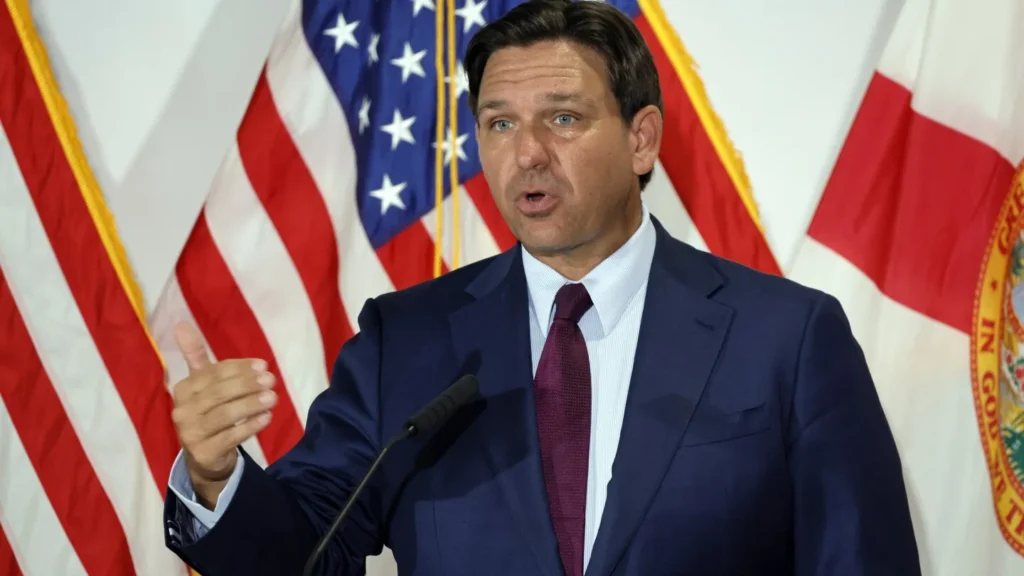

Florida is preparing to become the first U.S. state to eliminate mandatory childhood vaccinations for school entry, marking a dramatic shift in public health policy. The move comes as debates intensify nationwide over the balance between public health, parental rights, and government intervention.
NFL Week 1 Preview: Exciting Matchups and Storylines to Watch
What Is Happening?
For decades, vaccines have been required for schoolchildren across the country, credited with saving millions of lives and preventing outbreaks of deadly diseases. According to the CDC, vaccines help prevent over 4 million deaths annually worldwide and play a critical role in maintaining herd immunity, which protects vulnerable populations.
Yet, public opinion is shifting. A growing number of Americans—particularly Republicans—question whether childhood vaccine mandates remain necessary. This skepticism is fueling legislative changes such as Florida’s decision to roll back requirements.
Support for Vaccine Mandates Remains Strong
Despite the movement against mandates, polling shows that a majority of Americans continue to support them:
- A Harvard/SSRS poll found that 80% of adults believe children should be vaccinated against diseases like measles and mumps before attending school.
- A New York Times/Ipsos survey reported that 70% of adults support compulsory vaccinations for healthy children to protect public health.
However, these figures contrast with a 2024 Gallup poll, where public opinion was split nearly in half. The trend highlights a significant shift since 1991, when 81% of Americans supported government-mandated childhood vaccinations.
Growing Republican Opposition
The decline in support is most pronounced among Republicans. A Gallup survey revealed that:
- 60% of Republicans oppose government-required childhood vaccines.
- Only 25% consider vaccines “extremely important” for children.
By comparison, 60% of Democrats strongly support mandates, underscoring the partisan divide.
This skepticism grew even before the COVID-19 pandemic but accelerated in recent years, fueled by political debates and shifting cultural attitudes.
The Role of Misinformation and Parental Rights
A major driver of vaccine hesitancy is misinformation about vaccine safety. For example, an April KFF poll showed:
- About 60% of adults have encountered false claims linking the MMR vaccine (measles, mumps, rubella) to autism.
- While only 5% believe the claim is true, many remain uncertain.
At the same time, opposition to mandates is often framed as an issue of parental rights rather than safety concerns. A Harvard/SSRS poll found that 80% of mandate opponents cited parental choice as their primary reason, compared with only 40% who cited safety fears.
A Complex Debate Over Health and Freedom
Florida’s push to eliminate school vaccine mandates illustrates the growing tension between public health priorities and personal freedom. While scientists emphasize vaccines’ proven role in preventing disease outbreaks, changing public attitudes reflect broader anxieties about government involvement in private decisions.
As this policy shift unfolds, the U.S. faces a critical question: how to protect public health while respecting individual rights in an era of widespread skepticism and misinformation.