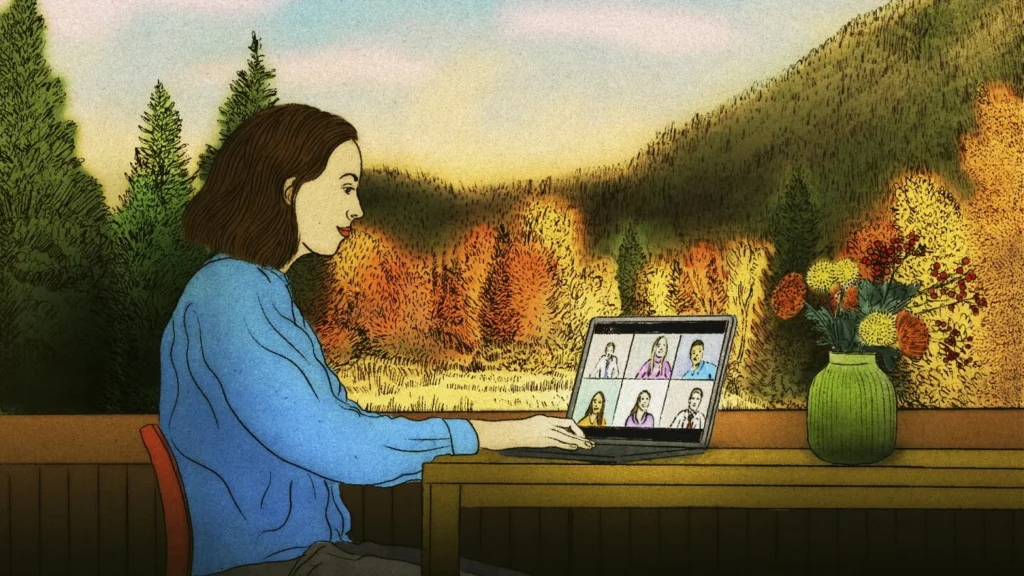

Remote work has become one of the most significant shifts in today’s job market, transforming how people approach their careers and personal lives. For many, it represents freedom, flexibility, and a chance to prioritize well-being. Take the story of Kate Smith, who left a stressful 9-to-5 office job for a fully remote marketing role. From Bali to other scenic destinations, she has worked while exploring the world for over a year and a half. Her journey reflects a growing trend: workers seeking better work-life balance through remote opportunities.
Sydney Sweeney Responds to Backlash Over American Eagle Ad, Stays Focused on “Christy” Film Premiere
The Growth of Remote Work During the Pandemic
The COVID-19 pandemic accelerated the adoption of remote work on a global scale. Employees discovered the benefits of working from home—spending more time with family, focusing on health, and enjoying greater freedom. What was once considered a perk quickly became an expectation.
However, as businesses reopened, many companies began calling employees back to the office. This shift created intense competition for fully remote roles, turning them into some of the most sought-after positions in the job market.
Remote Jobs Are Becoming Scarce
Recent data shows that only 9% of job postings on LinkedIn in July offered remote positions, yet those roles attracted 37% of all applications. The demand far outweighs the supply. Some companies now use remote flexibility as a bargaining tool, offering lower salaries in exchange for work-from-anywhere options.
This scarcity has made it harder for job seekers to secure remote jobs, pushing applicants to refine their skills and strategies to stand out.
How to Stand Out in the Remote Job Market
To compete in this competitive environment, job seekers should highlight their ability to:
- Work independently and stay motivated without supervision.
- Manage time effectively while balancing multiple priorities.
- Communicate clearly across digital platforms.
- Show results consistently, even in virtual environments.
If you’ve had prior remote work experience, make sure to emphasize it on your resume. For those transitioning into remote roles, target opportunities similar to your current skill set to make the adjustment smoother. As Kate Smith advises, align your remote job search with what you already do well—this increases your chances of success.
Where Remote Work Opportunities Are Growing
While remote opportunities remain limited in some U.S. industries, several sectors continue to offer them:
- Education – Online teaching and tutoring roles.
- Social media and marketing – Content creation, management, and digital strategy.
- Healthcare – Telemedicine and administrative support roles.
Globally, countries like Australia and several European nations are leading the way by introducing supportive legislation for flexible work arrangements.
The Power of Networking in Remote Careers
Networking remains just as important in the remote world as in traditional office environments. Attend virtual conferences, participate in industry events, and build genuine connections. Even if your role is remote, personal networks often open doors to the best opportunities.
Conclusion: Remote Work as a Lifestyle Choice
Remote work offers undeniable advantages—freedom, flexibility, and the ability to craft a more balanced lifestyle. Yet, it also brings challenges, requiring adaptability, self-discipline, and persistence in job hunting.
For those who succeed, like Kate Smith, remote work can provide a life-changing opportunity to balance career ambitions with personal fulfillment. With the right mindset and strategy, remote work isn’t just a job trend—it’s a lifestyle worth pursuing.